The Civil War as depicted through more than 100 letters between husband and wife
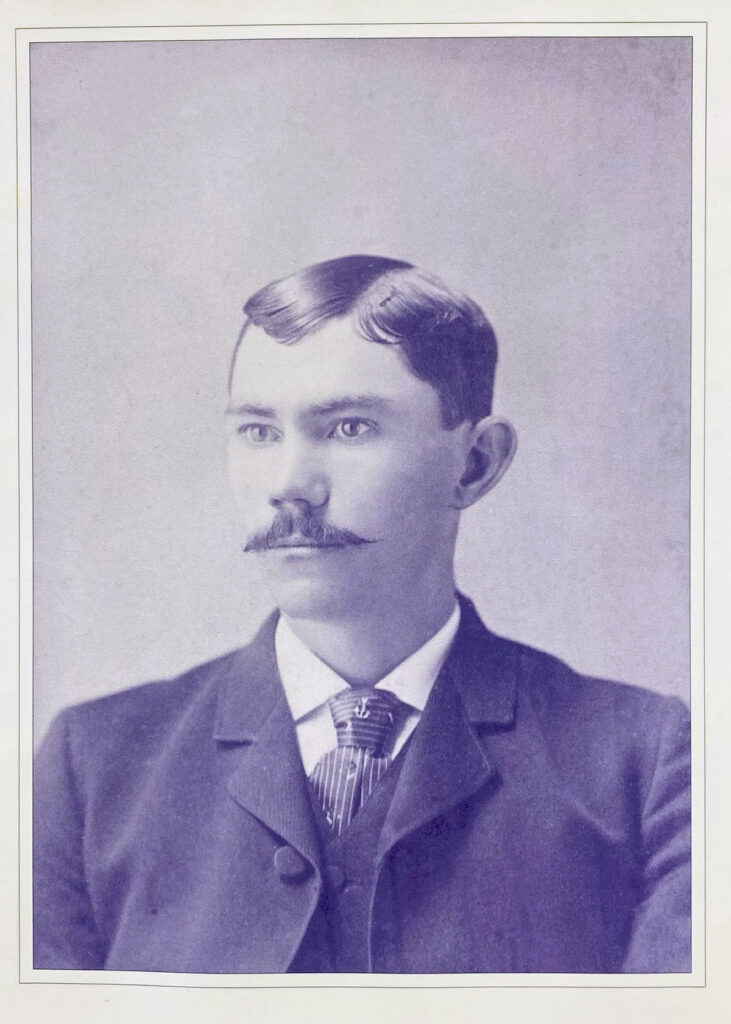
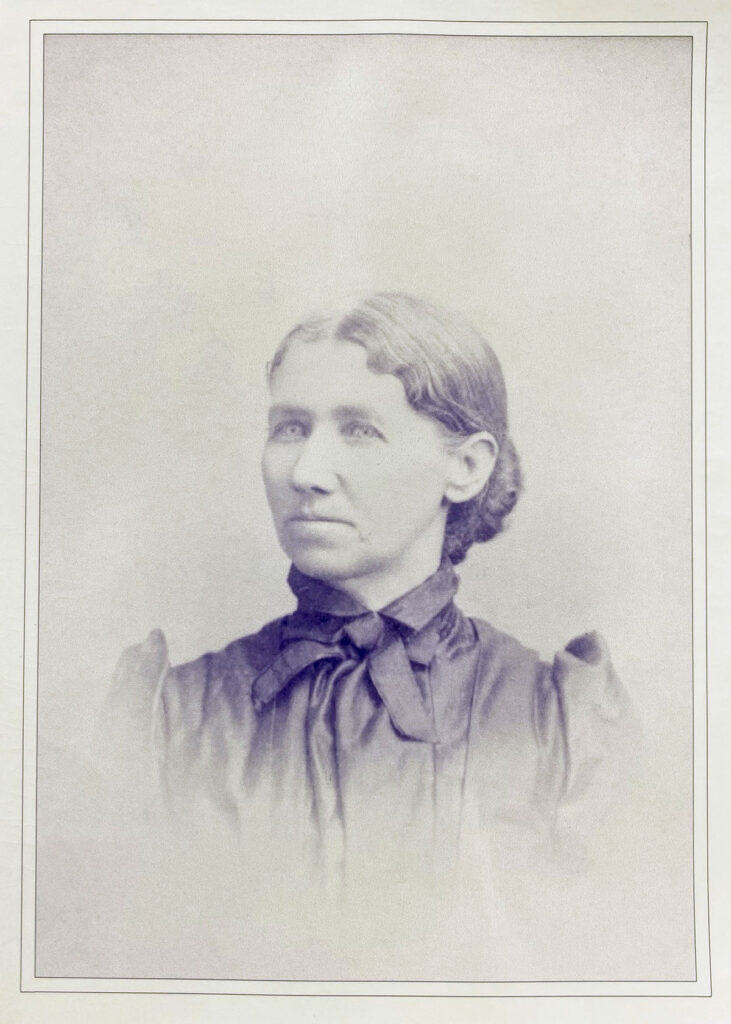
William Bosler Jones & Mary Philips Jones
William Bosler Jones, known as “Billy” to his friends and family, married Mary Philips on February 17, 1862. Jones was in the wholesale grocery business in Brooklyn in northern Kentucky. Mary was from Oddville, Harrison County, Kentucky.
Jones Joins the Union After Marriage
Jones joined the Union army and was mustered into the 7th Ohio Cavalry Company A on September 1, 1862. The organizers recruited a regiment in 1862, completing the task by September, the month Jones joined. The regiment set up camp in Ripley, Ohio, appropriately named “Camp Ripley”. The 7th Ohio Cavalry spend much of their first full month of service, October 1862, scouting the area of Harrison and Pendleton counties before returning to camp Ripley.
In his letters to Mary, Jones talks about his company capturing some of John Hunt Morgan’s stragglers and meeting some of her relatives while passing through her hometown. Jones’ letters not only provided reassurance about his safety, but they also kept his wife aware of what address to use as the regiment moved from town to town and state to state.
After being in the service for five months, Jones wrote to his wife in February 1863 to say, “I am perfectly sick of the war.” He shared that he felt married men had no business being in the army. On their second anniversary, he wrote that he was sorry he volunteered. Although he still supported the Union, he felt he personally had made no difference, but he felt he had done “a great harm to you in leaving you.”
Some of his letters also discuss politics. He wrote about being afraid the U.S. Congress would give in to the Confederate government in a compromise to achieve peace but keep slavery where it existed.
Captured at Mt. Sterling and Knoxville
Between mid-February and the end of March, Jones’ company was captured, paroled and sent to Camp Chase in Columbus, Ohio, to be held for exchange. Camp Chase was a prisoner of war facility for captured Confederates, but it also held many civilian “political prisoners,” such as Cynthiana’s Lucius Desha and other Southern sympathizers charged with disloyalty. Both the Confederacy and the Union established parole camps to hold soldiers that had been captured by the other side until an exchange could be made. This honor system meant that soldiers would be held by their own side and would not return to active duty until an exchange. There were several parole camps established by the Union including in Columbus and Annapolis.
Several of Jones’ letters from this time period depict the conditions at Camp Chase and even noted three women in confinement.
By November, Jones’ company was released from parole after being exchanged. They traveled to Camp Nelson in Jessamine County, on the way to rejoin the 7th Ohio Cavalry, which was now conducting operations in eastern Tennessee. Jones participated in his first battles in the campaigns around Knoxville. He participated in skirmishes at Bean’s Station, Tennessee on December 9, 1863, and Morristown on December 10.
In mid-February of 1864, Jones was captured for a second time. He wrote to Mary that he and his fellow prisoners were unsure of their status after being paroled, as the newspaper said it was not properly arranged. The letter did not make it clear how he was captured.
In March 1864, the regiment concluded their participation in the east Tennessee campaign and were ordered back to Kentucky. His letters describe life at Nicholasville, where the regiment was completely re-outfitted with new horses, saddles, uniforms and Spencer carbines.
Morgan’s Raiders, the Battle of Atlanta and Returning Home
Under Colonel Garrard, the regiment moved to Lexington just after Morgan’s Raiders passed through and marched to Paris to join General Burbridge’s command. Jones participated in the Second Battle of Cynthiana on June 12, 1864. He describes chasing after Morgan, running through Cynthiana and the dead and wounded laying all around.
“I tell you Mary, I saw sights that day that made me heart sick. Dead and wounded laying all around me after the battle. We did not catch up with Morgan, as he could out run us…” Jones wrote.
Following the battle, Jones’ regiment returned to Nicholasville to recuperate before they were ordered to report to Atlanta, Georgia, and the command of General Stoneman. After marching roughly 360 miles, his regiment reported for duty near Atlanta on July 24. His letters indicate his company was part of Sherman’s rear guard and performed picket duty.
From Atlanta, the 7th Ohio Cavalry was ordered to Chattanooga, then Nashville by November 22, 1864. The regiment then marched toward Columbia, Tennessee. During a fight against Confederate forces under General Hood, Jones was captured a third time. As a prisoner, he was transported to Jacksonville, Florida, and then transferred to a parole camp in Annapolis, Maryland. Confederate General Robert E. Lee surrendered in mid-April 1865, and Jones was released.
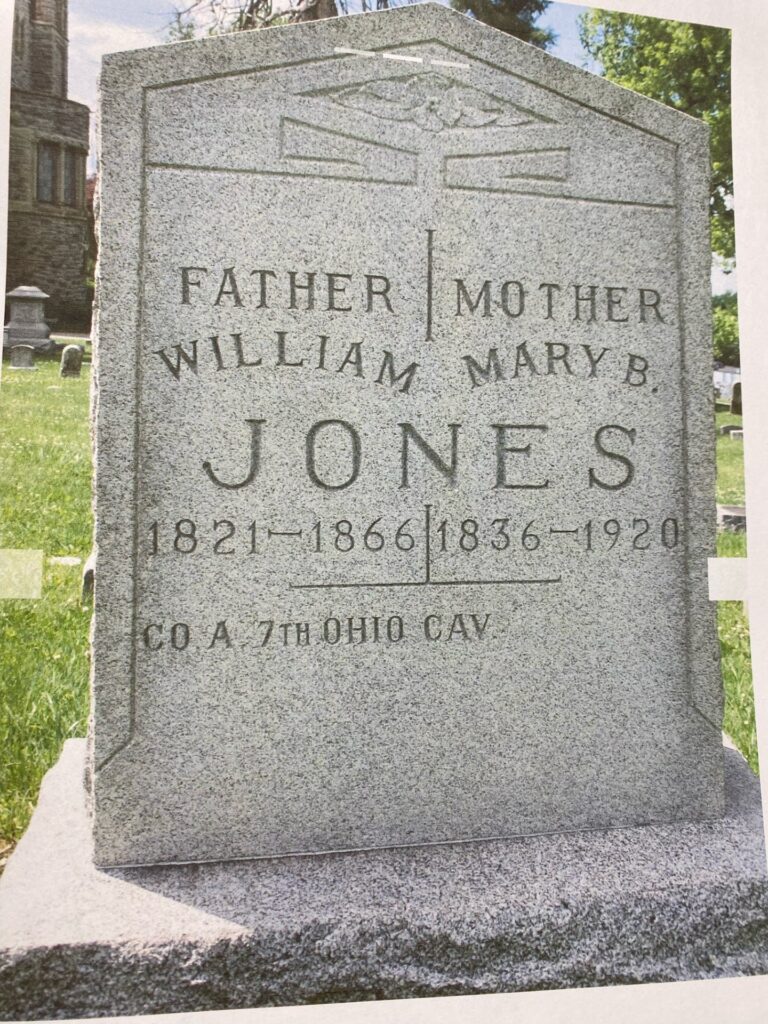
Jones returned home to his wife Mary in September 1865, then passed away in September of 1866.